
Crawl Space Drainage in Northeast Wisconsin & the Upper Peninsula
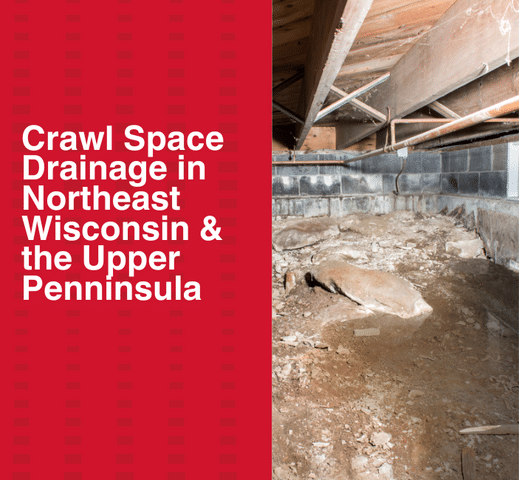
Standing water under your home is more than just an inconvenience—it can impact your foundation, your indoor air quality, and the long-term stability of your home.
Just like basement waterproofing protects finished basements, crawl space drainage protects the structure beneath your living space. If you’ve noticed dampness, musty odors, or water under your home, a properly designed crawl space drainage system is the most reliable way to fix it for good.
Similar to how WaterGuard® protects basements, crawl space drainage systems are designed to keep the area beneath your home dry, stable, and healthy.
Key Takeaways
-
Crawl space drainage systems capture groundwater and surface water before it can collect under your home
-
In Northeast Wisconsin and the Upper Peninsula, clay soils, snowmelt, and lake-effect moisture increase the risk of water intrusion
-
Drainage matting, sump pumps, and vapor barriers work together as a complete system
-
Professional installation ensures proper water flow, sealed systems, and long-term performance
-
Drainage should always come before encapsulation—sealing in moisture creates bigger problems
Why Crawl Spaces Flood in Northeast Wisconsin & the U.P.
Understanding why your crawl space gets wet is the first step toward fixing it. In our region, a few key factors make moisture problems especially common.
Clay Soils & Poor Drainage
Many homes across Green Bay, Appleton, Oshkosh, Marinette, and into the Upper Peninsula sit on clay-heavy or compact soils that don’t drain well.
These soils absorb water during rain and snowmelt, then hold it—keeping the ground around your foundation saturated longer than it should be. That moisture can build up and push its way into your crawl space.
Spring Snowmelt & Heavy Rains
Long winters mean a lot of snow buildup. When that snow melts quickly in spring—often combined with rain—the ground becomes saturated fast.
If water isn’t directed away properly, it ends up right at your foundation and under your home.
Freeze-Thaw Cycles
Our area sees constant freeze-thaw cycles in late fall, winter, and early spring. As soil freezes and expands, then thaws and contracts, it creates small gaps and cracks around your foundation.
Over time, these become easy entry points for water.
High Moisture & Lake-Effect Weather
Homes near Lake Michigan and throughout the Northwoods deal with higher humidity and frequent precipitation, especially during seasonal transitions.
That extra moisture increases the chances of damp crawl spaces—even if you’ve never had standing water before.
Poor Grading & Downspout Issues
Even small issues like:
-
Soil sloping toward your home
-
Downspouts dumping water too close to the foundation
-
Settling around the perimeter
can send water straight into your crawl space.
Warning Signs You Need Crawl Space Drainage
Crawl space problems don’t always show up as flooding. More often, they build slowly.
Watch for these signs:
-
Damp or wet crawl space floors
-
Musty smells inside your home
-
Sagging or bouncy floors
-
High indoor humidity
-
Mold or mildew on wood or insulation
-
White chalky residue (efflorescence) on foundation walls
-
Increased pest activity
-
Rising energy bills
If you’re noticing any of these, your crawl space is likely dealing with excess moisture.
How Crawl Space Drainage Systems Work
The goal isn’t to completely stop water (which isn’t realistic in our climate)—it’s to control it and move it away from your home safely.
Drainage Matting
Drainage matting sits on the crawl space floor and creates channels for water to move beneath the surface.
It collects water from:
-
The ground
-
Foundation walls
-
Condensation
…and directs it toward a sump pump.
Sump Pump System
A sump pump is what actually removes the water from your crawl space.
Sure-Dry installs crawl space sump systems designed specifically for these environments:
-
Durable construction for long-term reliability
-
Airtight lids to keep moisture out of the air
-
Alarm systems for peace of mind
-
Optional battery backup (especially important during storms and outages)
Vapor Barrier
Drainage handles liquid water—but moisture in the air is just as important.
A heavy-duty vapor barrier:
-
Covers the floor and walls
-
Seals out ground moisture
-
Helps control humidity
-
Creates a cleaner, healthier space
When combined with drainage, it turns your crawl space into a dry, controlled environment.
Why Drainage Comes Before Encapsulation
Encapsulation is a great solution—but only when done in the right order.
If you seal a crawl space that still has water coming in, you’re trapping moisture underneath. That can lead to:
-
Mold growth
-
Odors
-
Structural damage
-
System failure over time
The Right Approach
A complete system should always follow this order:
-
Install drainage to manage water
-
Add a sump pump to remove it
-
Install a vapor barrier to seal the space
-
Close vents and openings
-
Control humidity with a dehumidifier
When everything works together, the results are long-lasting.
What a Complete System Does for Your Home
A properly installed crawl space system can:
-
Eliminate standing water
-
Reduce humidity and mold risk
-
Improve indoor air quality
-
Protect floor structure and framing
-
Lower energy costs
-
Increase home value
Remember—a large portion of the air in your home comes from below it. Keeping your crawl space dry helps your entire home feel healthier.
Why Professional Installation Matters
Crawl space drainage isn’t a DIY-friendly fix—especially in our region.
Proper Water Flow
Systems need to be installed with the correct pitch so water actually moves to the sump pump instead of pooling.
Airtight Sealing
Even small gaps in a vapor barrier can let moisture back in. Professional installation ensures everything is sealed correctly.
Identifying Bigger Issues
A full inspection can uncover:
-
Structural concerns
-
Foundation cracks
-
Drainage problems outside your home
-
Moisture sources you might not see
The Sure-Dry Difference
At Sure-Dry, we design crawl space systems specifically for homes in Northeast Wisconsin and the Upper Peninsula.
That means:
-
Solutions built for our soil and weather conditions
-
Products designed for long-term performance
-
Installation by trained local crews
-
Warrantied systems for peace of mind
We’ve helped thousands of homeowners across the region fix crawl space problems—and keep them from coming back.
Schedule Your Free Crawl Space Inspection
If your crawl space feels damp, smells musty, or shows signs of water, don’t wait for it to get worse.
Schedule your free inspection with Sure-Dry and get a clear plan to keep your home dry, stable, and protected.
Frequently Asked Questions
What causes water in a crawl space in Wisconsin and the U.P.?
Most issues come from snowmelt, heavy rains, poor drainage, and clay soils that hold moisture near the foundation.
How does crawl space drainage work?
Water is collected with drainage matting, directed to a sump pump, and pumped away from your home. A vapor barrier then seals out moisture.
Do I need drainage before encapsulation?
Yes—always. Sealing a wet crawl space traps moisture and leads to bigger problems.
How long does a system last?
With professional installation, crawl space drainage systems are built to last long-term. Some components like pumps may need replacement over time.
Can this be installed in an existing home?
Yes—most systems are installed in existing homes with minimal disruption.
Melissa Robenhorst brings over 25 years of marketing experience and specialized knowledge in foundation repair, crawl space encapsulation, waterproofing, concrete leveling, and egress window installation.

